
Google Ads vs Meta Ads: Which Should You Start With?
The short answer: if people are already actively searching for what you offer, start with Google Ads. If you're selling something visual that people don't know they want yet, start with Meta Ads. Here's why that one distinction matters more than almost anything else in this decision.
Every business researching paid advertising eventually asks this exact question, and most of the answers online are vague — "it depends on your goals." That's technically true, but it's not useful. Let's actually break down the one real difference that should drive your decision, then get into the specifics.
The Real Difference: Buyer Intent
Google Ads and Meta Ads aren't really competing products — they solve two different problems in your funnel.
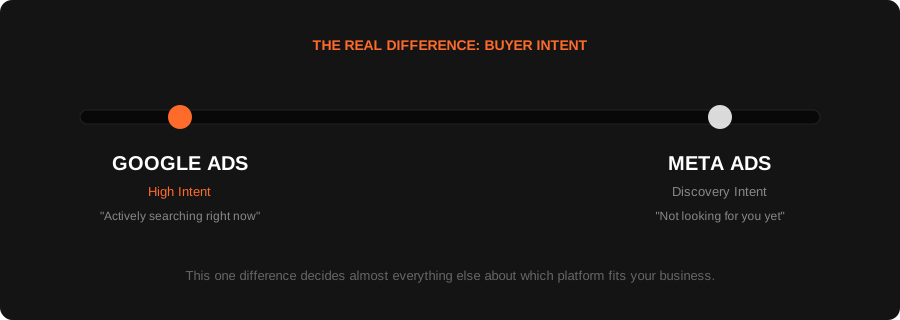
Google Ads shows up when someone has already decided they need something and is actively typing a search for it. You're not creating demand — you're capturing demand that already exists.
Meta Ads shows up while someone is scrolling their feed, not thinking about you at all. You're not capturing intent — you're creating it, by interrupting their scroll with something interesting enough to stop for.
When Google Ads Is The Better Starting Point
Google tends to be the smarter first move if:
- People actually search for what you offer (a service, a solution to a specific problem, a product with a known name)
- Your sales cycle rewards catching someone at the exact moment they're ready to act
- You don't have strong visual or video creative built yet — Google Search ads are largely text, so there's a lower creative bar to get started
This is usually the right starting channel for local service businesses, B2B companies, and anything with a clear "I need this now" search moment. If this sounds like your business, here's exactly how we approach Google Ads management.
When Meta Ads Is The Better Starting Point
Meta tends to win first when:
- Your product is visual, and people are more likely to buy on impulse once they see it, not because they searched for it
- You're building a new brand and need to create awareness before anyone knows to search for you specifically
- You have (or are willing to invest in) genuinely strong photo or video creative — Meta's entire delivery system runs on creative performance
This is usually the stronger starting channel for D2C products, visually-driven services, and brands still building initial awareness. Curious what that actually looks like in practice? See how we manage Meta Ads campaigns.
What About Cost?
This is where it gets a little counterintuitive. Meta's cost-per-click is usually lower than Google's — but a cheaper click isn't automatically a cheaper customer.
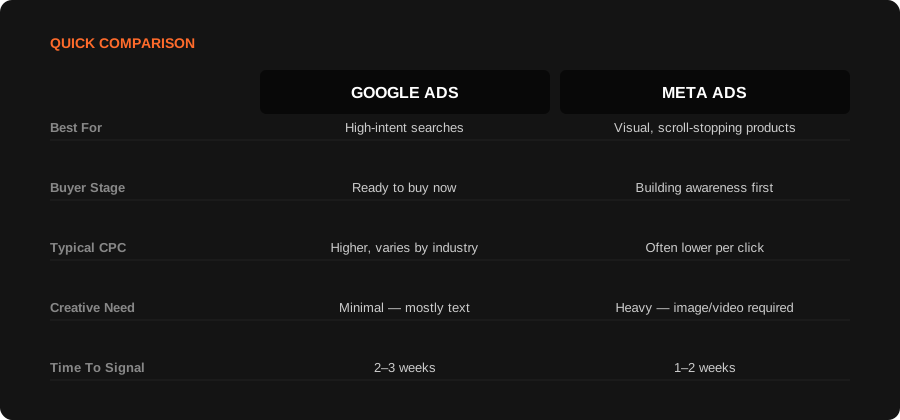
Since Google captures someone already looking to buy, a more expensive click often converts at a higher rate than a cheaper Meta click that interrupted someone mid-scroll. The right comparison isn't cost-per-click — it's cost-per-customer, which depends entirely on your specific offer and audience. If you're still working out what a realistic budget looks like on either platform, we broke that down in our Google Ads budget guide.
Can You Run Both At Once?
Eventually, most businesses do — and that's exactly the point. Google and Meta aren't rivals fighting for the same job; they're built for different stages of the same funnel. Meta builds awareness and warms people up, Google captures them once they're ready to act. Run well together, this is what a genuine full-funnel performance marketing strategy actually looks like — not a single-platform bet.
But when you're starting from zero with a limited budget, splitting it across both usually means neither one gets enough data to actually work. Pick the one that matches your buyer's actual behavior first, prove it out, then expand.
The real question isn't "which platform is better." It's "where does my buyer already spend their attention right now — searching, or scrolling?"
Frequently asked questions.
Yes, and for a lot of businesses, running both eventually makes sense — Google for high-intent capture, Meta for demand generation and retargeting. The question is which one to start with, not which one to pick forever.
Meta typically has a lower cost-per-click, but that doesn't automatically mean a lower cost-per-customer. Google's clicks cost more because the buyer intent behind them is usually higher.
Not necessarily skip it, but be realistic about timing. Meta Ads depend heavily on creative quality — if you don't have strong visual assets yet, it's often smarter to start with Google Ads first and build creative for Meta once you're ready to invest in it properly.
Both typically need 1 to 3 weeks to show directional signal. Google Ads often shows relevant clicks sooner since it's matching existing search intent, while Meta needs a short learning phase to find the right audience.
If people actively search for what you offer, start with Google Ads. If you're selling something visual that people don't yet know they want, start with Meta Ads.
We'll Tell You Honestly, Not Just What Sounds Good.
A quick audit of your business and buyer behavior tells us which platform actually deserves your first dollar — no guesswork.